Taylor Berger · 14 October 2026
Coastal perimeter innovations fuel isolated network resilience strategies
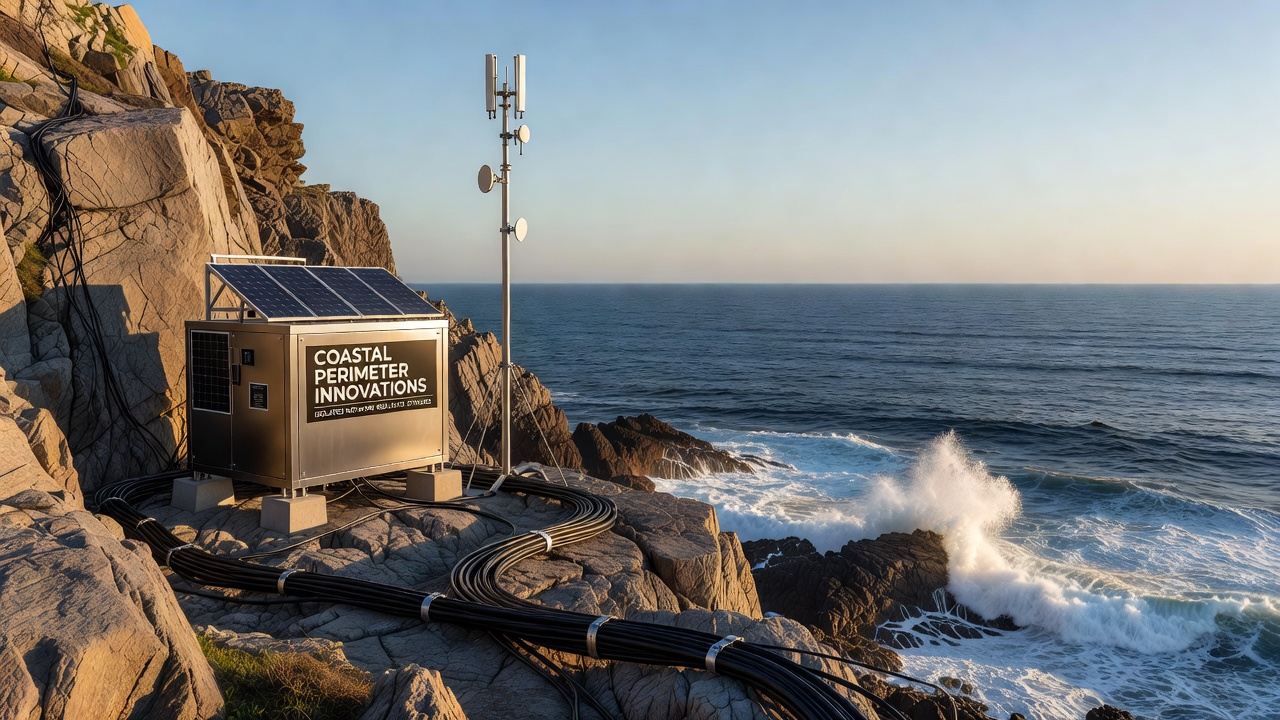
Coastal perimeter innovations have expanded in recent years as organizations seek ways to strengthen isolated network systems against environmental disruptions and connectivity gaps, and these developments integrate physical barriers with digital monitoring tools that maintain operations when standard pathways fail. Data from multiple regions shows increased deployment of modular sensor arrays along shorelines that detect erosion patterns while simultaneously routing traffic through backup channels during storms or outages.
Core Technologies Driving Perimeter Advances
Engineers have combined reinforced fiber optic loops with autonomous drone relays that activate when primary links drop, and this approach allows isolated facilities such as research stations or remote ports to sustain data flows even if main cables sustain damage from tidal surges. Studies conducted through 2025 indicate that hybrid perimeter designs reduce downtime by up to 40 percent compared with traditional inland setups, because the systems distribute load across both terrestrial and maritime segments.
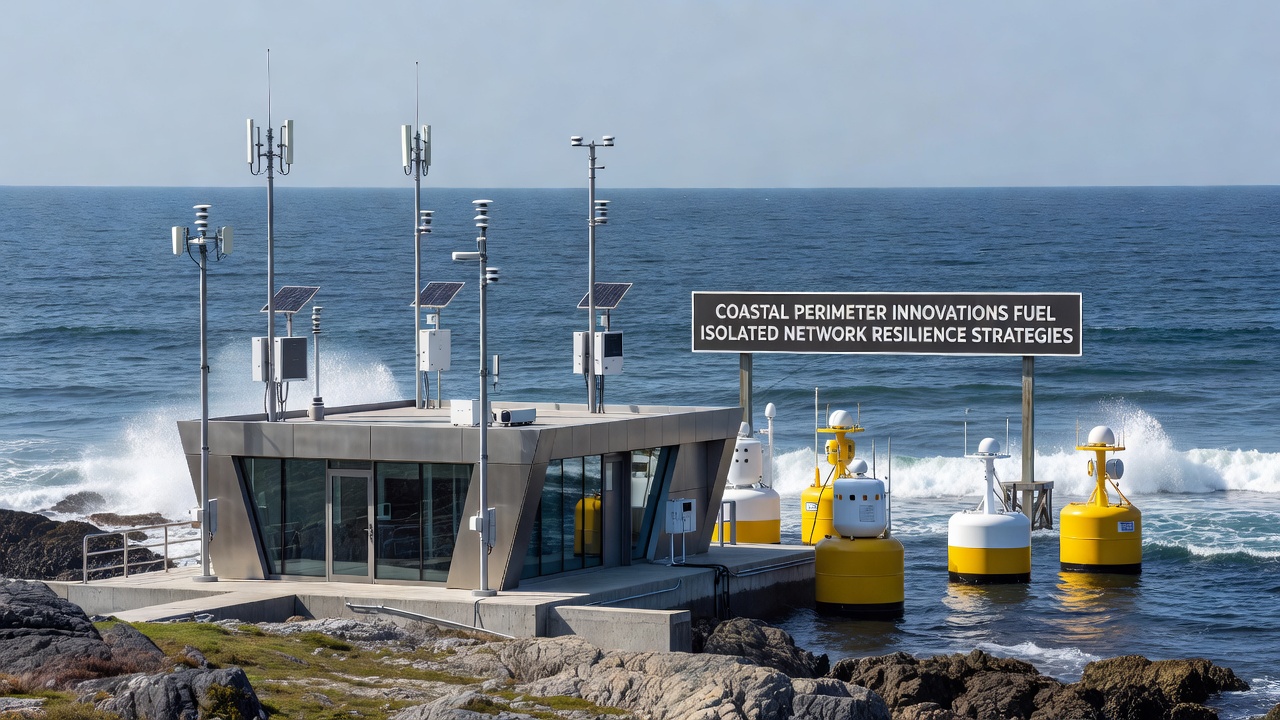
Researchers at institutions in Australia have examined how floating data buoys equipped with 5G small cells extend coverage beyond fixed coastal towers, and these units adjust position based on wave data collected in real time. European agencies reported similar trials where underwater acoustic modems link surface platforms to submerged sensors, creating redundant paths that activate without human intervention when surface conditions deteriorate.
Integration With Broader Resilience Frameworks
Isolated networks benefit when perimeter innovations align with national infrastructure plans, and governments in North America have updated guidelines to include coastal edge nodes as standard components in disaster recovery protocols. Figures released in October 2026 by the U.S. Department of Homeland Security highlight that facilities using these layered approaches restored service 72 hours faster on average after major weather events than sites relying on single-point connections.
Observers note that software-defined perimeter controls now incorporate machine learning models trained on historical coastal data sets, enabling predictive rerouting before physical damage occurs. One study from Canadian research partners revealed that such models lowered packet loss rates during simulated hurricane scenarios by analyzing wind speed and salinity levels alongside network metrics.
Case Examples From Multiple Regions
Take one installation off the coast of Norway where perimeter innovations link offshore wind platforms to mainland control centers through redundant microwave and satellite paths, and operators report continuous monitoring capability even during winter storms that previously severed single links for days. Similar configurations appear in Southeast Asian island clusters where local authorities partnered with academic teams to install solar-powered relay stations that maintain connectivity for emergency services when typhoons disrupt undersea cables.
Industry reports from trade groups emphasize that these perimeter solutions scale across different sizes of isolated networks, from small scientific outposts to larger maritime logistics hubs, because modular components allow incremental upgrades without full system replacement. Data compiled across projects shows consistent improvements in mean time to recovery when organizations adopt combined physical-digital perimeter strategies.
Future Outlook and Measurement Standards
Standards bodies continue to refine metrics for evaluating perimeter effectiveness in isolated settings, and upcoming frameworks scheduled for release after October 2026 aim to incorporate variables such as saltwater corrosion rates and marine traffic interference into resilience scoring systems. Organizations that track these indicators gain clearer benchmarks for comparing coastal innovations against inland alternatives.
Evidence from ongoing deployments suggests that investment in these technologies correlates with sustained operational continuity for facilities located far from central infrastructure grids, while also supporting data collection efforts that feed back into broader environmental monitoring programs.
Conclusion
Coastal perimeter innovations continue to supply practical mechanisms that enhance resilience for isolated networks through layered physical and digital safeguards, and documented outcomes from multiple regions confirm measurable gains in uptime and recovery speed. As measurement standards evolve and additional case data accumulates, the patterns established so far provide reference points for entities planning similar deployments in comparable environments.