Taylor Simmons · 30 September 2026
Boundary Tech Shifts Drive Connectivity Gains in Remote Digital Ecosystems
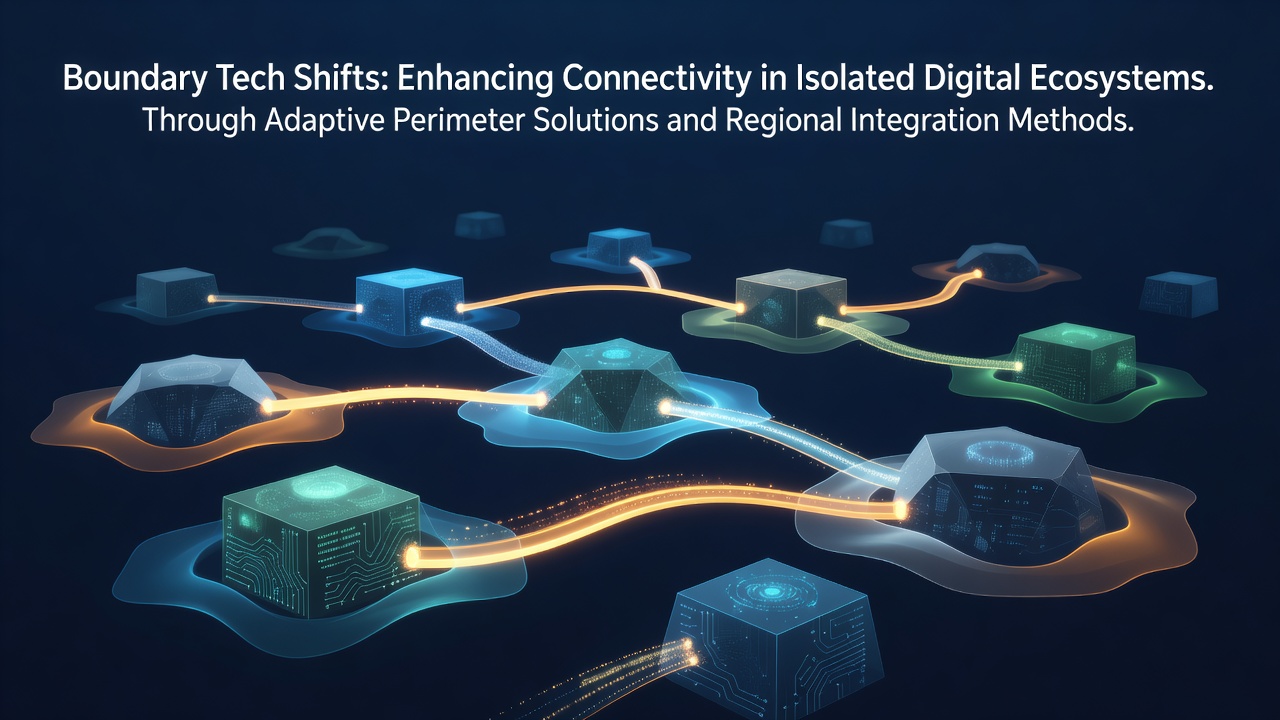
Boundary technology continues to evolve as organizations seek reliable ways to link isolated digital ecosystems with broader networks, and adaptive perimeter solutions combined with regional integration methods play central roles in these developments. Researchers at various institutions have documented how these approaches address connectivity gaps in environments where traditional infrastructure falls short, such as remote industrial sites or geographically separated data clusters. Data from industry reports shows steady adoption rates since 2023, with projections indicating further expansion through 2027.
Understanding Adaptive Perimeter Solutions
Adaptive perimeter solutions function by monitoring and adjusting access points in real time based on traffic patterns, threat levels, and operational demands, which allows isolated systems to maintain secure connections without constant manual oversight. Engineers have implemented these tools in sectors like energy and logistics, where facilities often operate far from central hubs, and the technology uses algorithms that respond to changes in network load or external conditions. Studies from North American research centers reveal that such solutions reduce downtime by up to 40 percent in test deployments, because they reroute data flows automatically when primary paths encounter interference.
Implementation typically involves layered controls that combine encryption, identity verification, and dynamic boundary adjustments, while regional integration methods extend this by aligning protocols across different geographic zones. Observers note that this combination proves especially useful in areas with limited fiber access, since satellite or wireless links can integrate more smoothly when perimeters adapt to signal variations.
Regional Integration Methods in Practice
Regional integration methods focus on standardizing data exchange formats and security policies among neighboring systems, which facilitates smoother handoffs between isolated clusters and larger networks. Government agencies in the European Union and Australia have issued guidelines that encourage these practices for critical infrastructure projects, and figures from those sources indicate rising project approvals in the past two years. One study conducted by a Canadian academic group found that regions adopting unified integration frameworks experienced faster recovery times after connectivity disruptions compared with areas using fragmented approaches.
Take the example of energy grids in remote territories, where operators have applied adaptive perimeters to bridge gaps between local sensors and regional control centers, and integration methods ensure that data formats remain compatible across borders. This setup supports continuous monitoring without exposing core systems to unnecessary risks, because boundaries adjust according to verified regional agreements rather than static rules.
Connectivity Enhancements Observed in 2025 and 2026
Connectivity improvements have accelerated as boundary tech incorporates machine learning elements that predict demand spikes and adjust perimeters accordingly, and data indicates these features help ecosystems in arid or mountainous regions maintain stable links year round. In September 2026, several international forums plan to release updated metrics on regional integration outcomes, which experts anticipate will highlight progress in cross-border data flows for isolated digital setups. Reports from the National Institute of Standards and Technology outline baseline requirements for these technologies, emphasizing measurable performance gains in controlled environments.

What's interesting is how these shifts align with broader infrastructure investments, because governments in Asia and South America have funded pilot programs that test adaptive solutions alongside traditional upgrades. Results from those initiatives show reduced latency in data transfers between remote sites and urban processing centers, since regional methods establish common authentication standards that minimize delays at boundaries.
Case Applications Across Sectors
Healthcare networks in rural districts have begun using adaptive perimeter tools to connect isolated diagnostic equipment with central databases, and regional integration ensures compliance with varying privacy regulations without halting operations. Logistics firms operating in disconnected zones report similar benefits, as the technology allows real-time tracking updates that flow through adjusted boundaries rather than fixed gateways. Research indicates that such applications scale effectively when integration methods account for local bandwidth constraints and environmental factors.
Yet challenges remain around initial setup costs and training requirements, although organizations that phased in these solutions over multiple quarters documented smoother transitions. Those who've studied deployment patterns observe that success often depends on aligning perimeter adaptations with existing regional policies, which prevents conflicts during data handoffs.
Conclusion
Boundary tech shifts continue to support enhanced connectivity for isolated digital ecosystems through adaptive perimeter solutions and regional integration methods, as evidenced by ongoing projects and documented performance data. Continued refinement of these approaches, informed by upcoming reports in September 2026, will likely shape how remote systems interact with wider networks in subsequent years. Organizations tracking these developments can reference resources from bodies such as NIST and ENISA for technical specifications that guide practical implementation.